
How Do I Collect DNA Samples for a Paternity Test Paternity test, Dna paternity testing, Dna

Genetic scientists and technicians use many methods to extract DNA from cells. All methods use three basic steps: Lysing (breaking open) the cells. Separating the DNA from the rest of the cell. Collecting the pure DNA in a single sample, ready for testing. Using a special chemical process, we break open the collected cells.
Guide To Paternity DNA Testing Top 10 DNA Tests
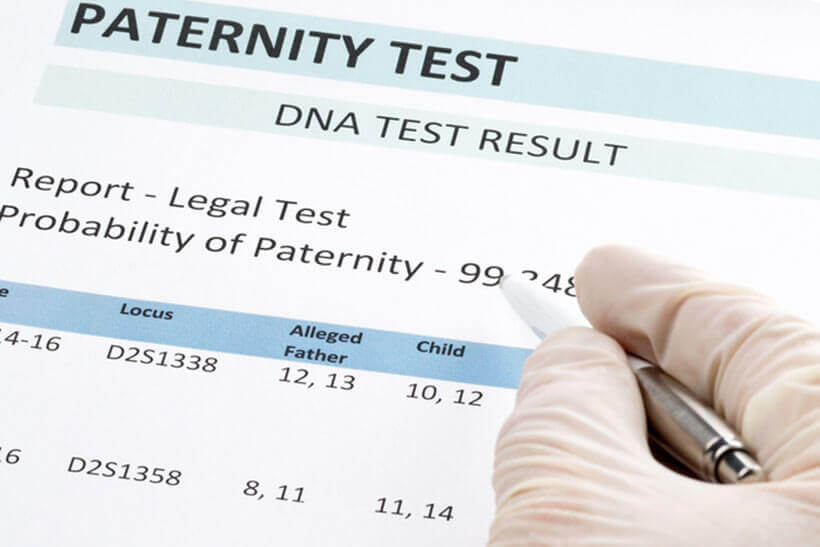
DNA Paternity Test. A DNA paternity test is nearly 100% accurate at determining whether a man is another person's biological father. DNA tests can use cheek swabs or blood tests. You must have the test done in a medical setting if you need results for legal reasons. Prenatal paternity tests can determine fatherhood during pregnancy.
Everything You Need to Know about a DNA Paternity Test DDC
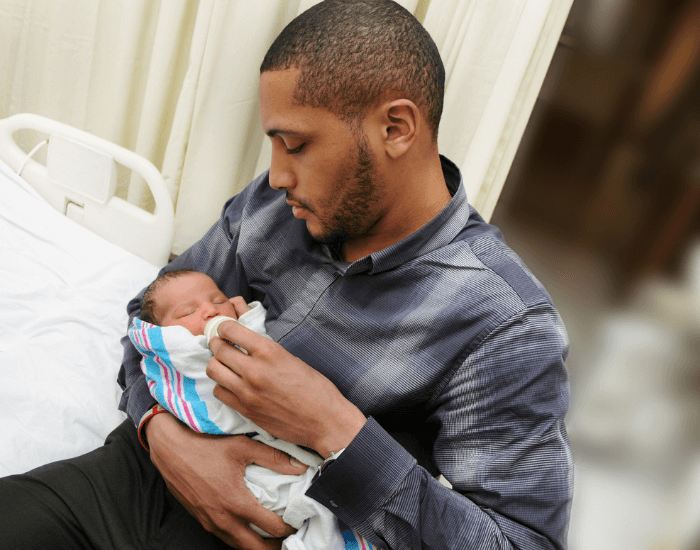
When can I get a paternity test during pregnancy? DNA paternity testing can occur at 9 to 12 weeks of pregnancy, and it can be included with other first trimester prenatal tests, like chorionic villus sampling (CVS). It can also be done later, during the second trimester, when an amnio is performed.
How DNA testing works
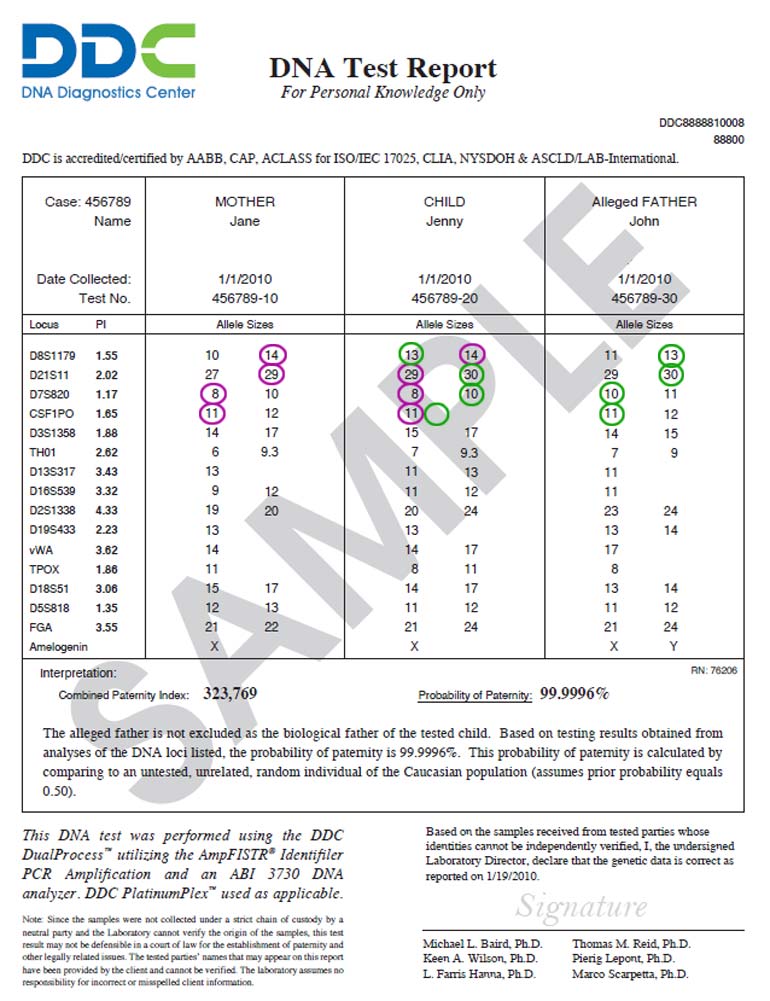
If you need to establish paternity or have questions, please contact DDC at 1-800-798-0580. For prenatal testing, or paternity testing while pregnant, there are a few options to choose from: Non-Invasive Prenatal Paternity (NIPP): A non-invasive prenatal paternity test is the most accurate non-invasive way to establish paternity before the baby.
DNA Centre Bribed By Couples To Manipulate Paternity Test Results
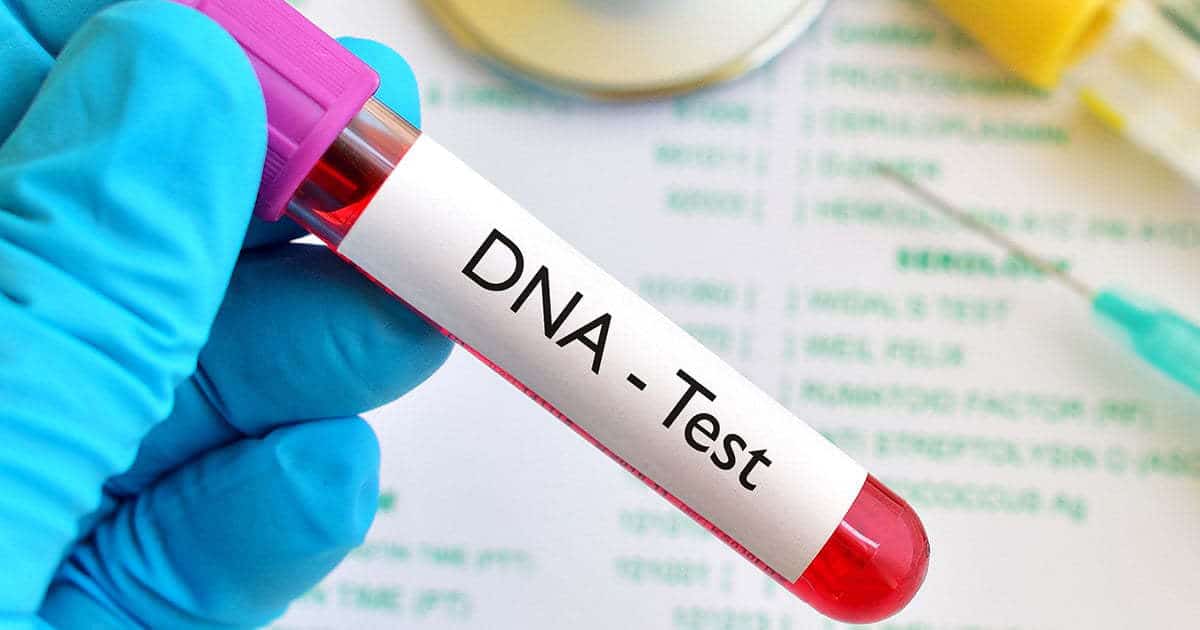
PaternityLab Home Paternity Test Kit. 4.4. Price: $99.00. Turnaround time: Around two business days from the time sample is received. Type of sample collection: Cheek swab, toothbrush or nail.
DNA paternity tests how they work and how to do one Live Science
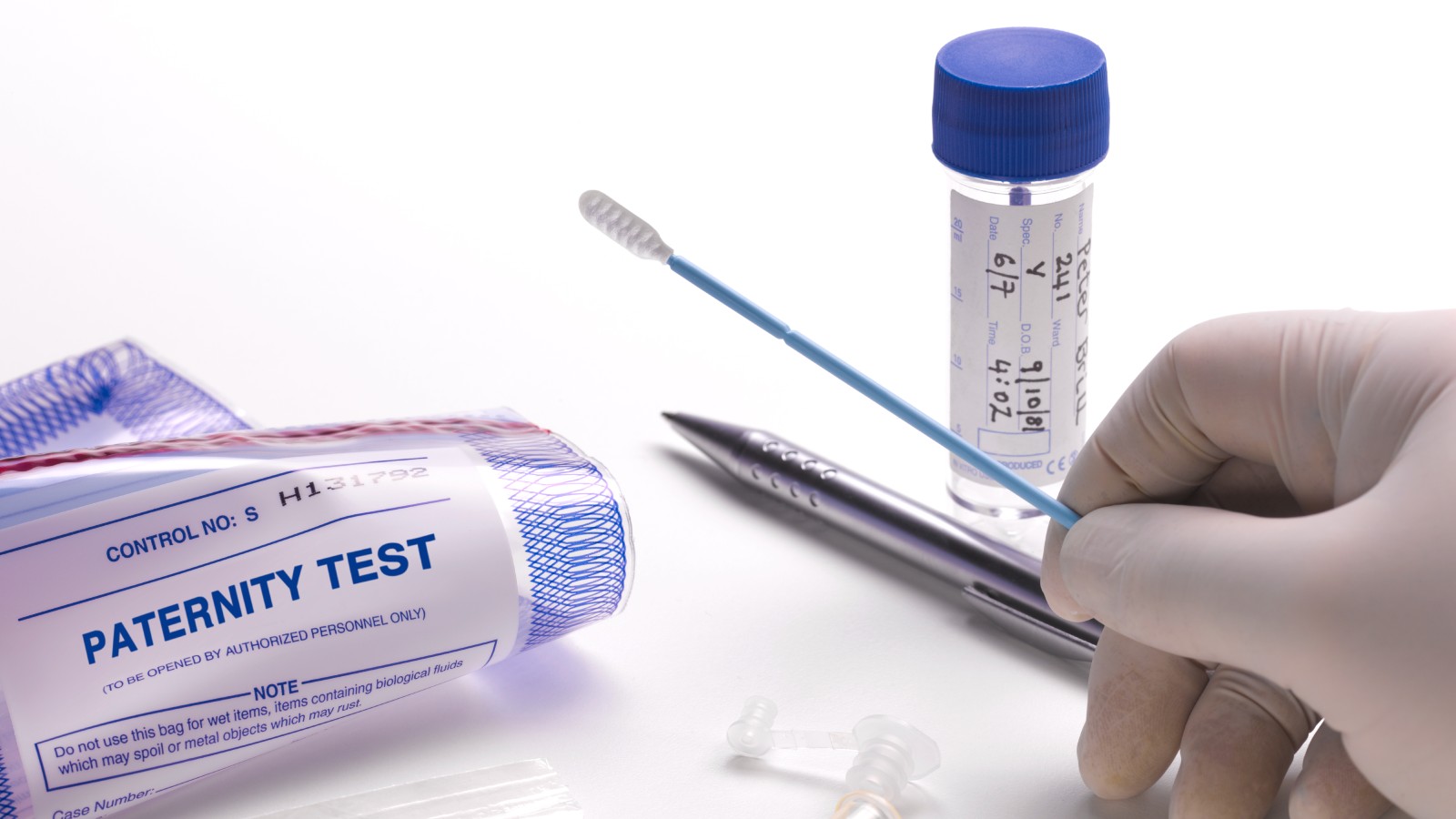
DNA paternity testing is an important tool used to prove or disprove a biological parent-child relationship. The test uses a DNA (deoxyribonucleic acid) profile for each individual and compares the data to determine if there is a genetic match. If the child and potential non-gestational parent genetically match, then they are the biological parent.
Paternity DNA Test Process, Results, Legal Proceeding and Cost Education
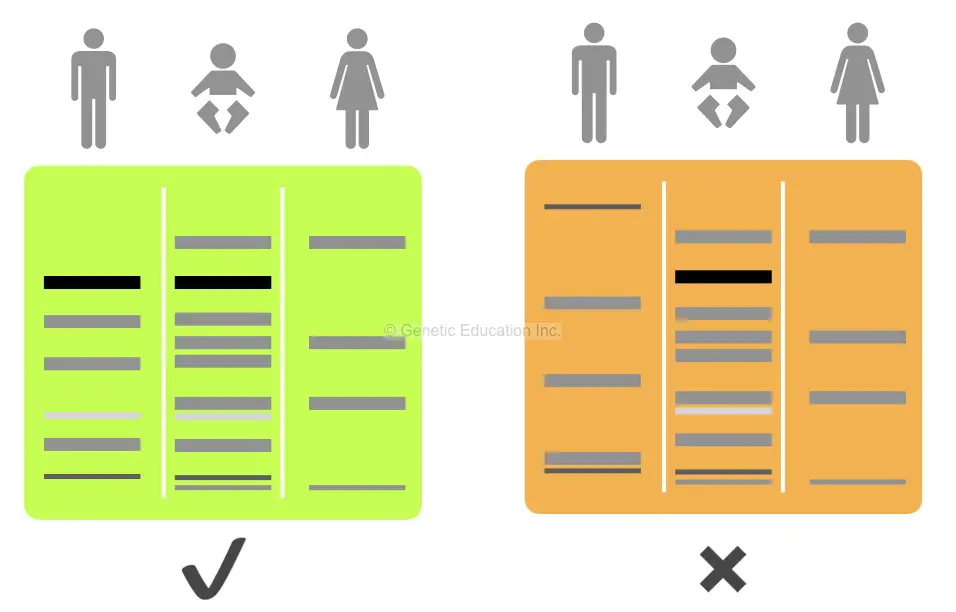
Our legal paternity test follows a strict chain-of-custody process with the DNA sample collection witnessed, giving you legal, court-admissible paternity test results. With over 3,500 collection sites across all 50 states, we'll make the process fast and easy by setting you up with a location right in your neighborhood.
All you need to know about athome DNA Testing Kits for Paternity Digital Health Central

How Non-Invasive Testing Works. DNA is collected from the mother with a simple blood draw, and DNA is collected from the possible father using a cheek swab. Both samples are then sent to the lab for analysis. The test analyzes free-floating fetal DNA from the mother's plasma and compares it to the mother's own DNA profile.
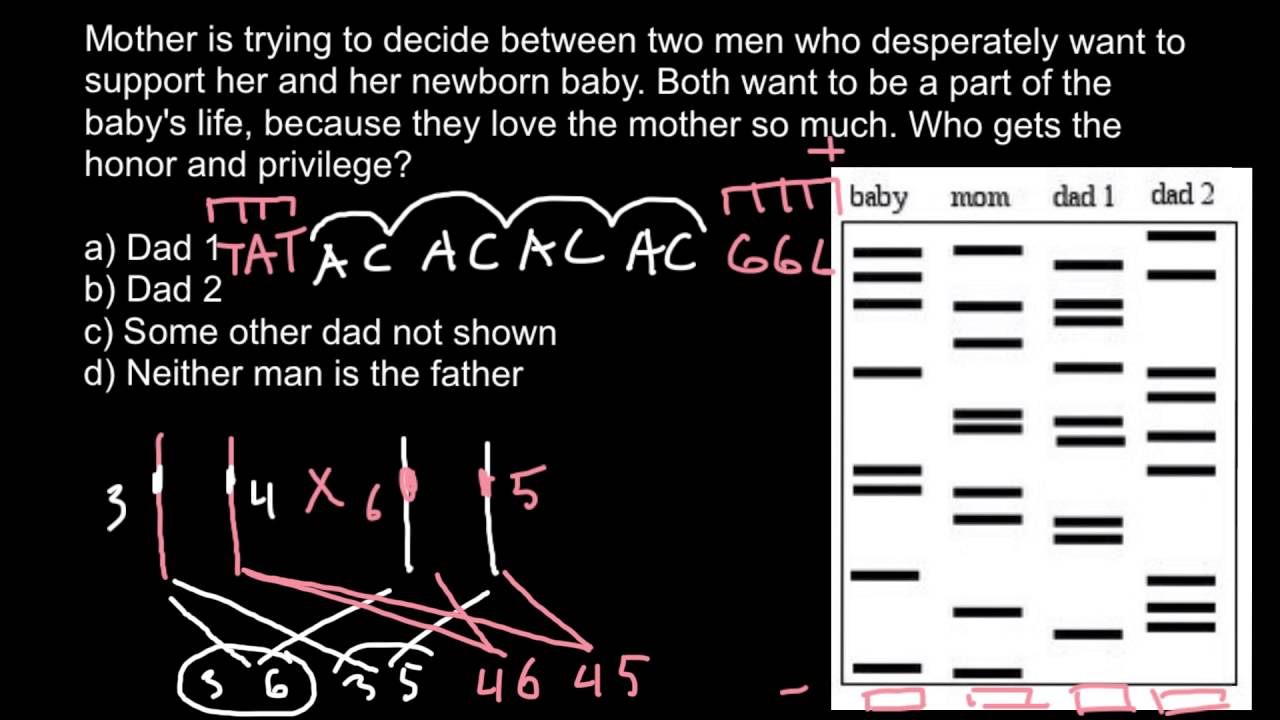
DNA Paternity Testing theory explaned YouTube
3. File your forms with the clerk of courts. Once you have filled out the required forms, you will file them with the clerk of courts at your county's courthouse. [16] You will be required to pay a filing fee, although if you cannot afford the fee you may be able to file for a fee waiver here. [17] 4.
DNA Paternity Testing atHome Reliable DNA Test Kit Health & Personal Care

There are two types of DNA paternity tests for use after children are born: blood tests and saliva (cheek swab) tests. Both types of tests are equally as accurate; however, a blood test cannot be done entirely at home as it requires a blood sample. This is usually obtained at a lab which requires going to a hospital or outpatient medical office.
Help read DNA results, paternity test. I know he is the father. I later submitted child’s and my
Paternity testing can be performed very early, even during pregnancy. In this case, the test will be conducted at a hospital and the DNA samples for genetic tests during pregnancy will be.
The DNA Paternity Test Guide How to Prove Fatherhood with DNA Paternity test, Dna paternity

A DNA collection kit will be delivered to you. The kit will contain 4 cotton swabs for each person that will be providing their sample for testing. DNA samples can be collected at home by rubbing the cotton swab on the inside of the cheek. Labcorp DNA offers at-home and legal paternity testing for your personal peace of mind or legal purposes.
Rapid DNA Paternity at Home Test Kit
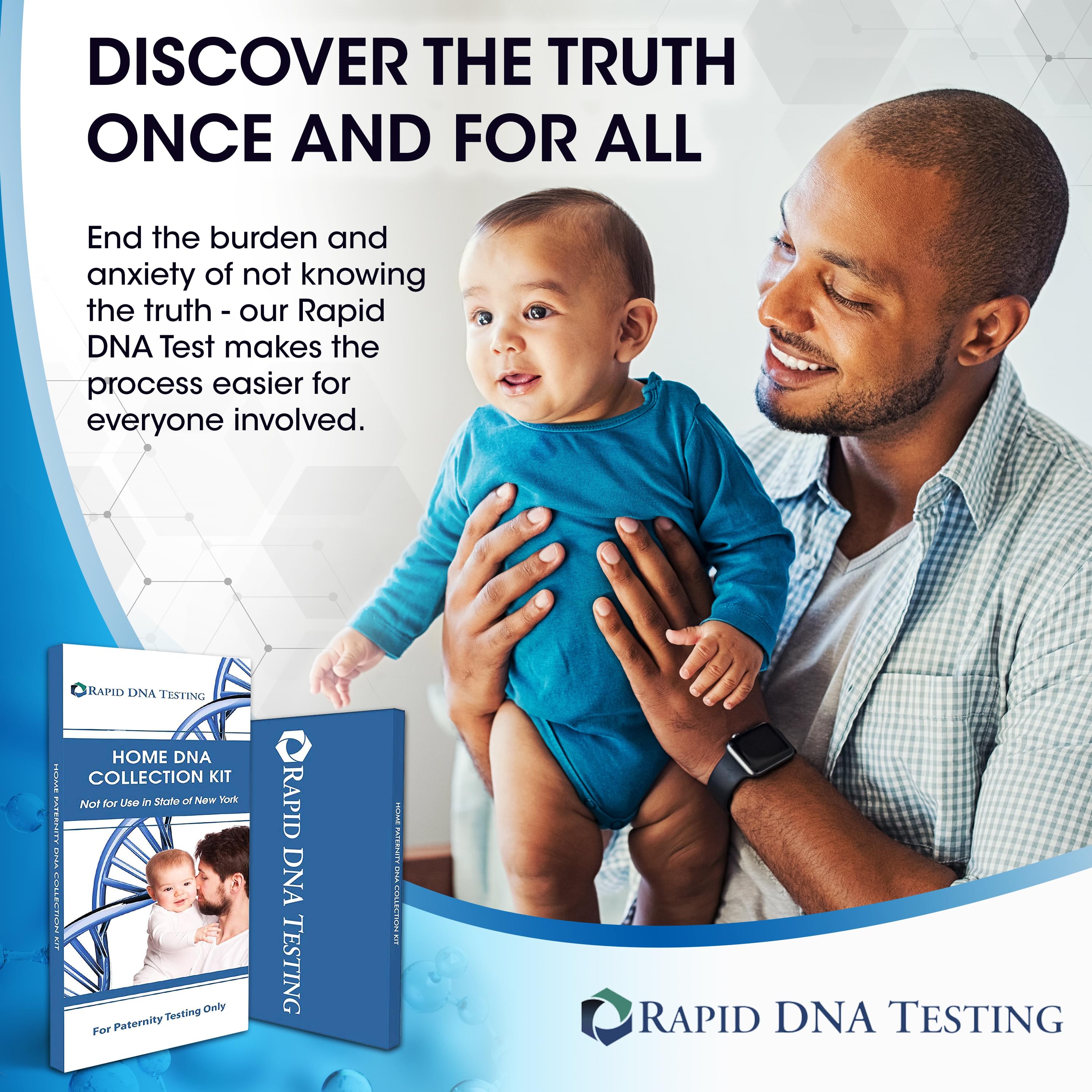
DNA paternity testing is the use of DNA profiles to determine whether an individual is the biological parent of another individual. Paternity testing can be especially important when the rights and duties of the father are in issue and a child's paternity is in doubt. Tests can also determine the likelihood of someone being a biological.
Paternity Problems How to Get a Paternity Test in Houston DNA Paternity Testing
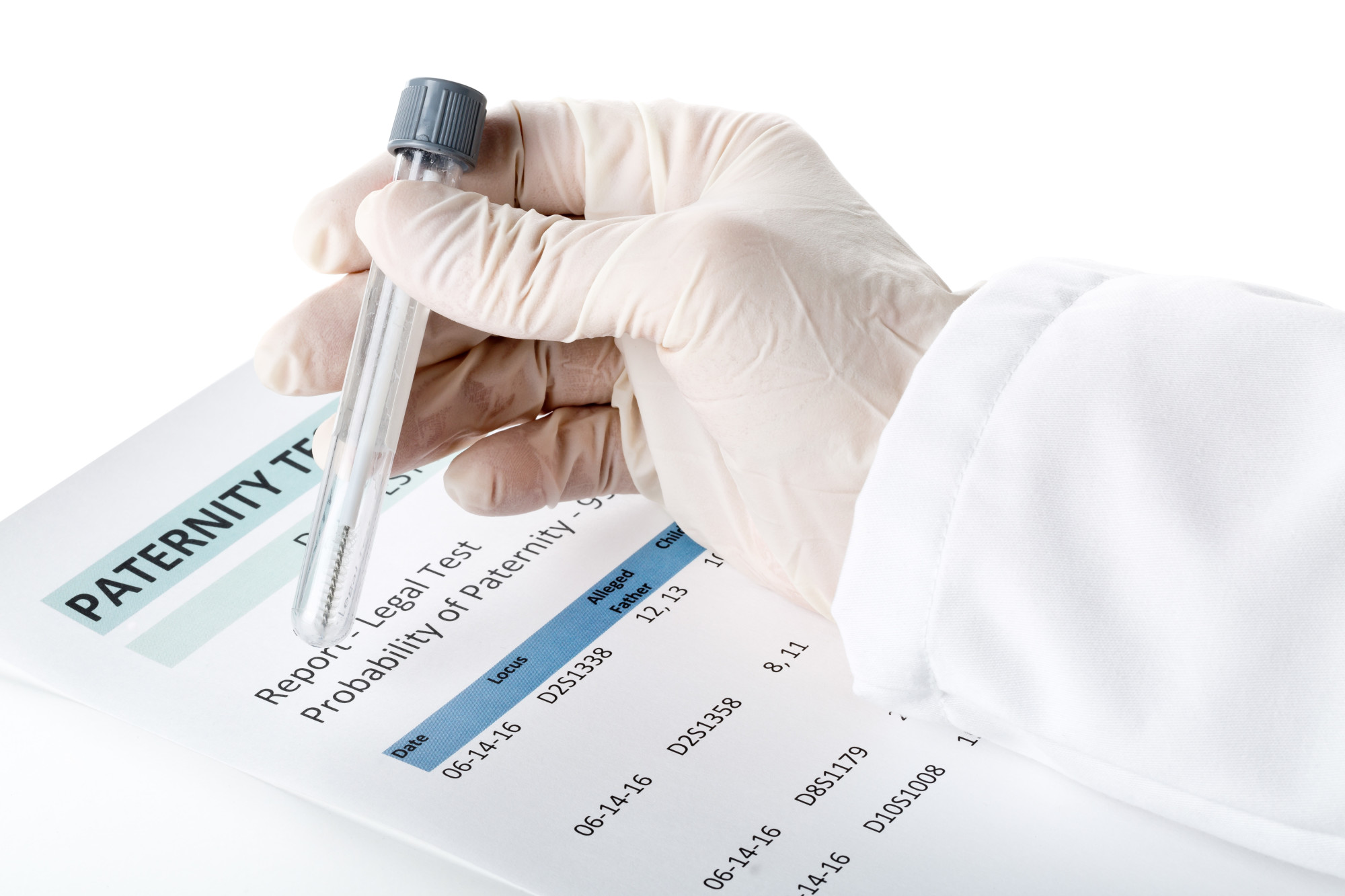
DNA Test & Genetic Testing. A DNA test (genetic testing) is a medical test that can identify mutations in your genes, chromosomes or proteins. These mutations can indicate if you have or don't have a genetic condition. DNA tests can also identify your risk for developing a certain condition or passing on a genetic disorder.
Home Paternity DNA Test Multiple Location My Forever DNA
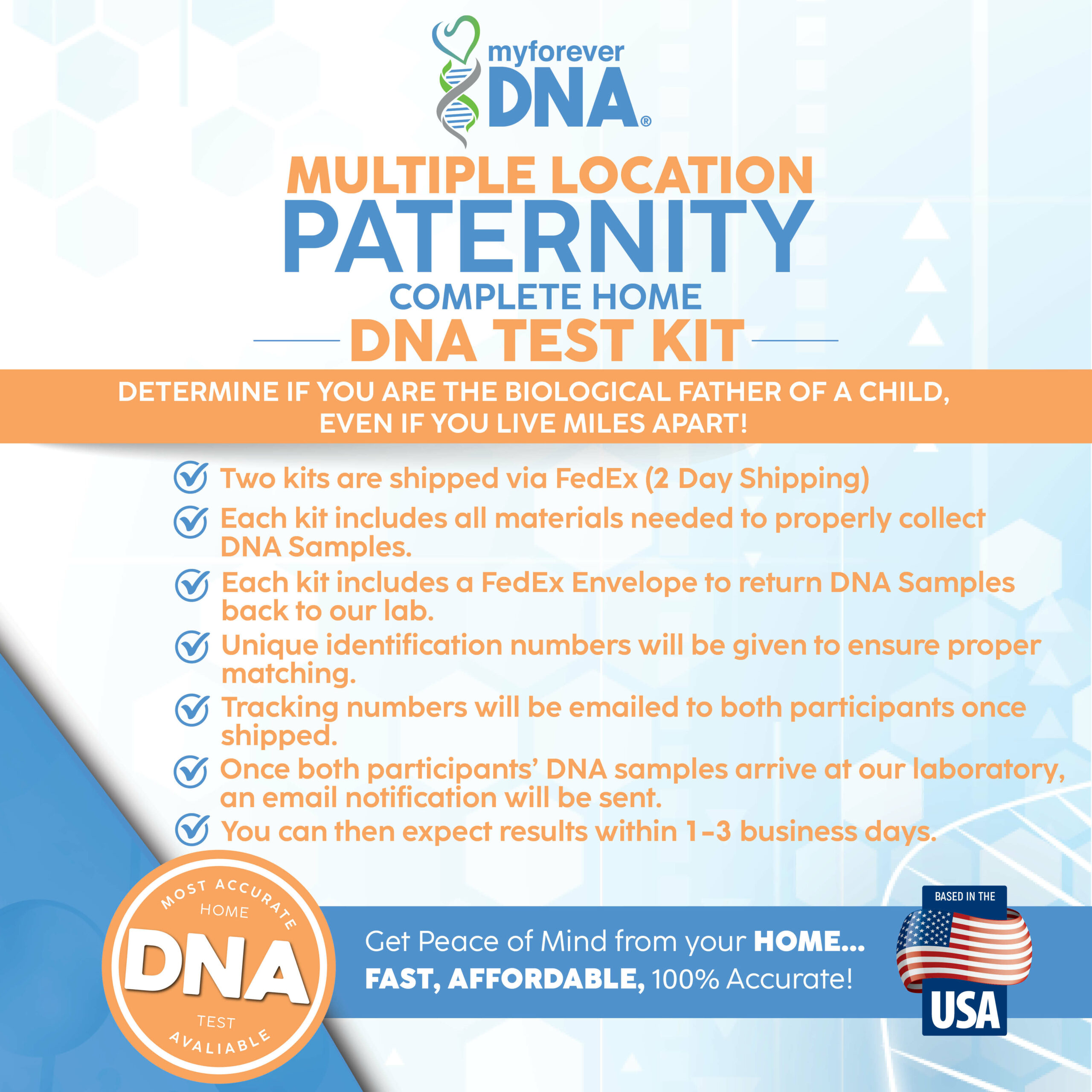
DNA for paternity tests comes from participants' cheek cells, which is collected using a simple, painless swab. Each participant is provided four swabs; using one at a time, the tip of the swab is rubbed firmly on the insides of the cheeks to collect DNA. An adult can swab a child or infant.
Testing Uses, Side Effects, Procedure, Results
:max_bytes(150000):strip_icc()/2860730_color-5babc8d9c9e77c002ccae708.png)
Noninvasive prenatal paternity test (NIPP) From week seven of pregnancy through the first trimester, you can get a noninvasive prenatal paternity test. During this test, DNA is collected from the mother by a blood draw and from the father with a cheek swab. The samples are analyzed to compare the baby's and possible father's DNA.
.